Two main methods clear a blocked drain, namely drain rods and high-pressure water jetting. Each has a place. Knowing the difference helps you pick the right one. A poor choice can leave the blockage in place, or harm the pipe.
Drain rods
Rods are flexible lengths that screw together. The operator pushes them towards the blockage and turns them, while a fitting on the end breaks up the plug. The aim is to break up or shift whatever is in the way. Rods can move a plug of paper or loose debris.
Where rods work well
- Simple blockages close to the access point
- Loose debris and minor build-up
- Low-cost jobs, because the kit is cheap and needs no power
Limits of rods
- Reach is limited
- Debris can be pushed further along the pipe
- Inexperienced use can crack a pipe
- Rods do not clean the pipe wall
Rods cannot scrub grease off the wall. That is why a blockage can return a few weeks later. Rods still have a place, but only for the simplest jobs.
High-pressure jetting
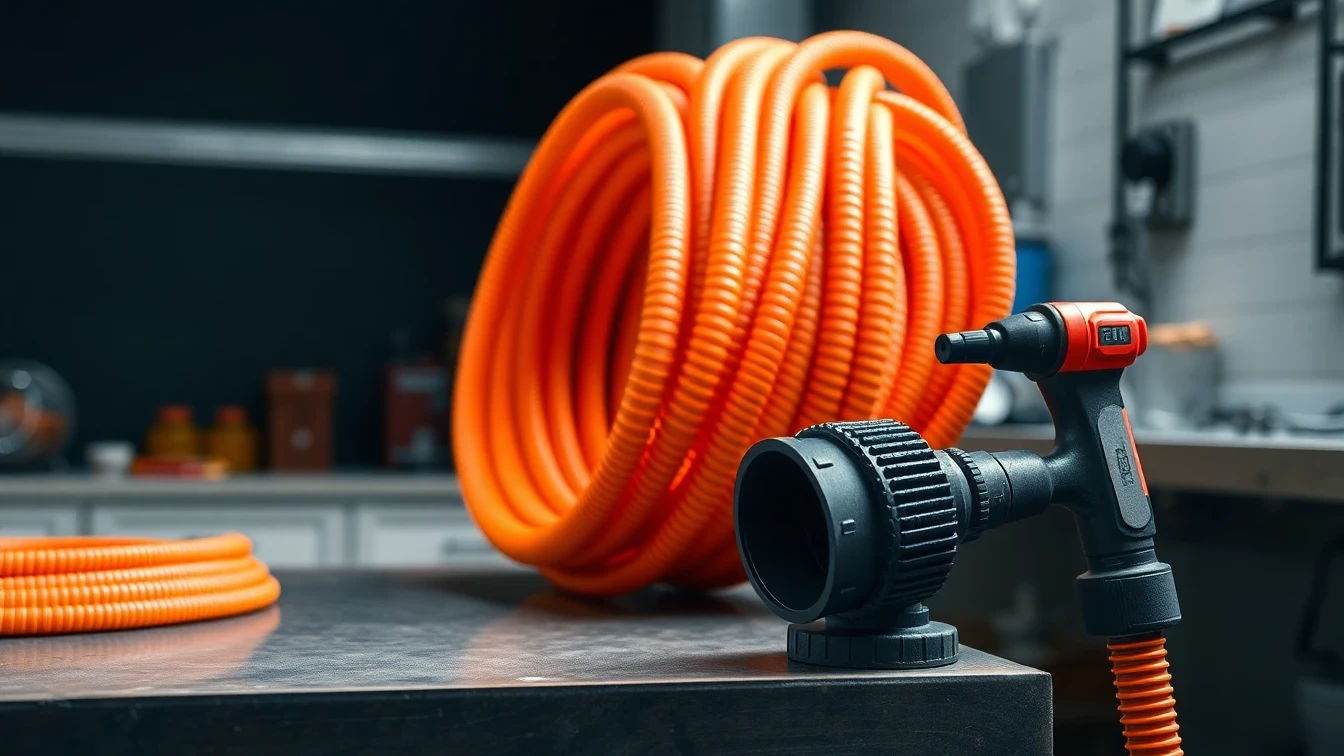
A flexible hose with a special nozzle goes into the drain. A pump sends water through at high pressure. Jets point forward to cut the blockage, while others point back to pull the hose along.
Where jetting works well
- Fat and grease build-up
- Silt, scale and loose root growth
- Stubborn or repeat blockages
- Long drain runs and commercial drains
Limits of jetting
- It needs professional kit and a water supply
- It usually costs more than basic rodding
- It can make existing cracks worse in damaged pipes
Jetting works as moving water scours the pipe. It clears the blockage and washes the wall at the same time. A clean wall gives grease and silt less to cling to.
How to choose
Rods suit a simple blockage that you can reach. Jetting suits tougher jobs, since it cleans the pipe as well as clearing it. If a blockage keeps returning, a clean pipe is less likely to block again soon.
Ask the engineer which method they plan to use and why. Also ask whether they will check the pipe with a camera afterwards. A camera check can show whether damage caused the problem.
What each method costs
Prices below are typical UK ranges from the sources named, not Essex quotes. Your quote will depend on access, drain length and the time of day, since each job differs.
| Method | Typical UK range | Source |
|---|---|---|
| Drain rodding | £80 to £145 | MyJobQuote |
| Drain jetting | £70 to £175 | MyJobQuote |
| Jetting an external drain | about £259 on average | HomeServe |
Rods may look cheaper at first. They may fail to solve the problem, and you then pay twice. Ask for a written quote before work starts.
When to ask for a survey
If blockages keep coming back, the pipe itself may have damage. A CCTV drain survey can show whether you need drain repairs. That check can show why a block keeps coming back.
Read more about drain jetting and domestic drain jetting, since the pages explain each step. For a local view, see drain jetting in Chelmsford. You can also compare drain jetting in Witham with drain jetting in Maldon.
Related pages
Around Brentwood and Springfield, drain jetting in Brentwood and drain jetting in Springfield cover the jetting side. If rods may be enough, see drain unblocking in Maldon and drain unblocking in Great Baddow.