Quick answer
A pre-purchase CCTV drain survey suits almost any home purchase. Drains sit underground, so faults stay hidden until something fails. A graded report gives you written evidence to raise with the seller before you exchange. Ask for a written quote that names the report you will receive, since providers differ.
Why a survey matters when you buy
Older homes often have clay drains, and trees can push roots into joints. Newer homes have plastic pipes, yet they still connect to older sewers. In both cases you cannot see the pipe from the surface.
Our guide for home buyers covers the general case for a survey. This guide goes further and shows what the survey inspects. It also explains how a report is built and how buyers use it.
Some homes near towns sit off the mains sewer and use private drainage. The same weaknesses can apply there. A camera is often the only way to see them. No surface sign shows until the system backs up.
What a CCTV drain survey inspects
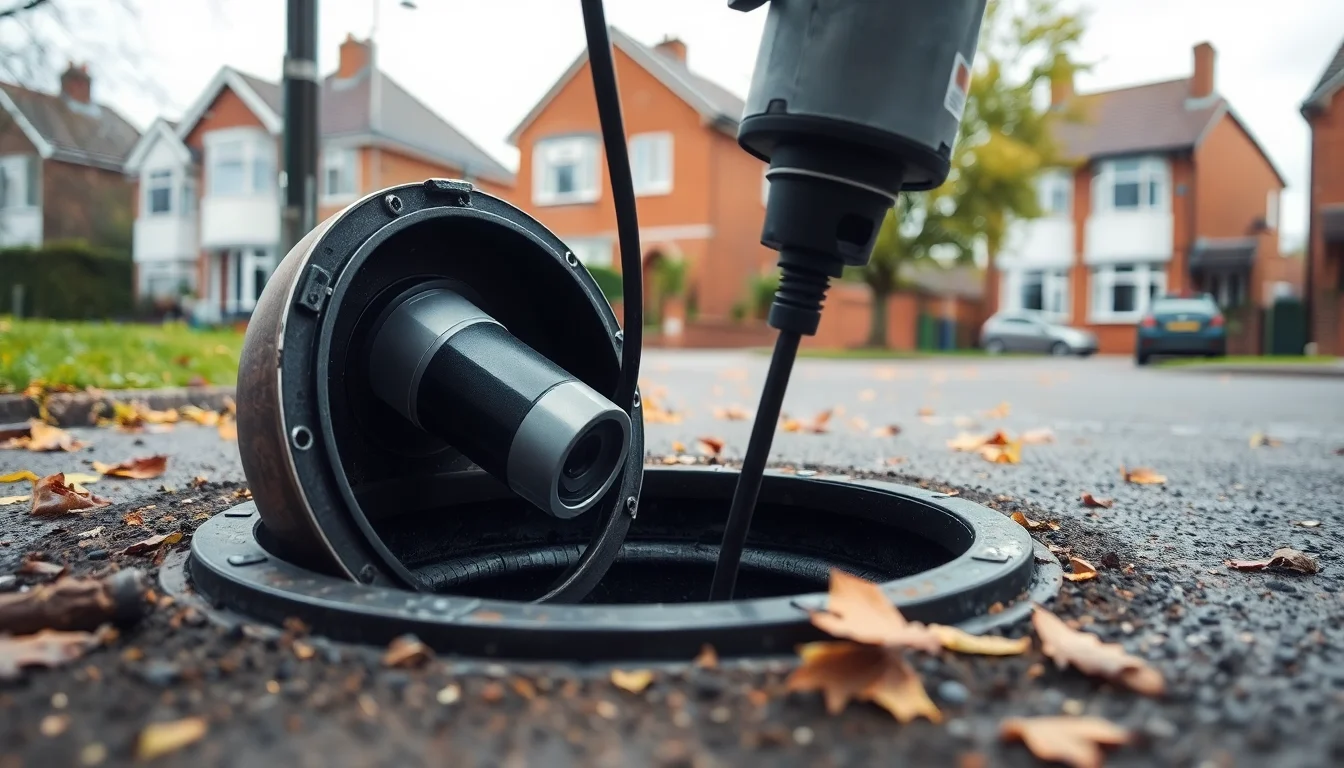
An engineer feeds a flexible camera into the drain through an access point. That might be a manhole, an inspection chamber or a rodding eye. The camera records the pipe as it travels along the run. The engineer looks for the faults below, while the footage records.
- Root ingress: fine root hairs or large root masses that have entered a joint or crack
- Collapsed or deformed sections: pipes that have lost their round shape
- Displaced or open joints: sections that have shifted and left a step that snags debris
- Silt, scale or fat: build-up that narrows the pipe
- General wear: surface erosion or corrosion, mainly in older pipes
The camera records exactly what it sees. The report therefore reflects the real condition of the pipe, not a guess.
How the findings help you negotiate
A serious fault gives you documented evidence to put to the seller. Buyers usually use the findings in one of three ways. Each suits a different case.
- Ask the seller to lower the price to cover the repair
- Ask the seller to carry out the work before completion
- Add a clause to the contract that says who pays if more faults appear
A dated, graded report carries more weight than a vague comment that the drains might be old. It shows what is wrong and where. Your solicitor can then use it. Our guide to shared drains and the CON29DW search explains who owns each pipe.
What happens during the visit
The engineer first finds the access points. If none exist, you may agree where a temporary one can go. Next the camera runs through the pipe while the footage records.
The engineer withdraws the camera once the reachable length is done, or a serious obstruction stops it. Afterwards the footage and stills go into a written report. Each fault appears with its approximate position in the run. For a typical house the visit may fit in one session, though access and run length change the time.
Basic camera look or full graded survey
Not every drain survey is the same. A basic look often means a verbal summary on the day. That helps with a quick check, yet it leaves no lasting record.
A full graded CCTV drain survey records the whole reachable run. It gives each section a condition grade, backed by photos and video. Many surveys use the MSCC5 coding system, since it is a common standard. Read more in our guide to what MSCC5 means.
For buyers, the pre-purchase drain survey page explains the report in more detail. If a survey finds damage, the drain repairs service page shows the repair options. Keep the footage, so a second engineer can price the work from it.
What it costs
MyJobQuote gives an average survey of about £250, and Survey Match gives £200 to £350 plus VAT for a 2 to 3 bed home. Both exclude repairs. Our guide to CCTV drain survey costs shows what moves the price.
Survey pages by town
Buyers in other towns can use the same checks. The Braintree area page lists every service for that town, including surveys.
- CCTV drain surveys in Chelmsford
- CCTV drain surveys in Witham
- CCTV drain surveys in Maldon
- Chelmsford area page
- All survey types
Frequently asked questions
Do I need a drain survey before buying a house?
It is not a legal requirement. Many buyers still find it worthwhile, particularly for older homes or houses with mature trees near the drain run. A survey either gives peace of mind or gives you leverage.
What does the survey report include?
A full graded report includes recorded footage and stills of each fault. It also gives a written description with the approximate position. Each section gets a condition grade, so you can see which findings matter.
Is a survey worth it for a newer home?
Yes. A new home still connects to the wider sewer network. A survey can confirm that the connection and the fall of the pipe are sound. Problems further along the network stay outside your control, but the report records the facts.
What is the difference between a basic look and a full survey?
A basic look gives a verbal summary and no lasting record. A full graded survey gives a written, photographed report for the whole reachable run. That report is what you need when you negotiate, since it holds the facts.