Quick answer
A new-build can still carry drainage risk. Its modern plastic pipes feed into older sewers and, on some estates, shared surface water systems. A period home brings the opposite risks: ageing clay pipes, tree roots and sometimes private drainage. In both cases a survey is the safest way to know what you are buying. Ask for a written quote that names what it covers.
Beaulieu Park: new-build is not risk-free
Beaulieu Park is a newer development on the north-east side of Chelmsford. Homes on estates like this usually have plastic pipes for internal runs and for the link to the boundary. Plastic resists corrosion, so it is a sound material.
However, the pipe still discharges into a wider network. Some downstream sections may be much older. A blockage or misaligned section further along can then back up into the newer pipes.
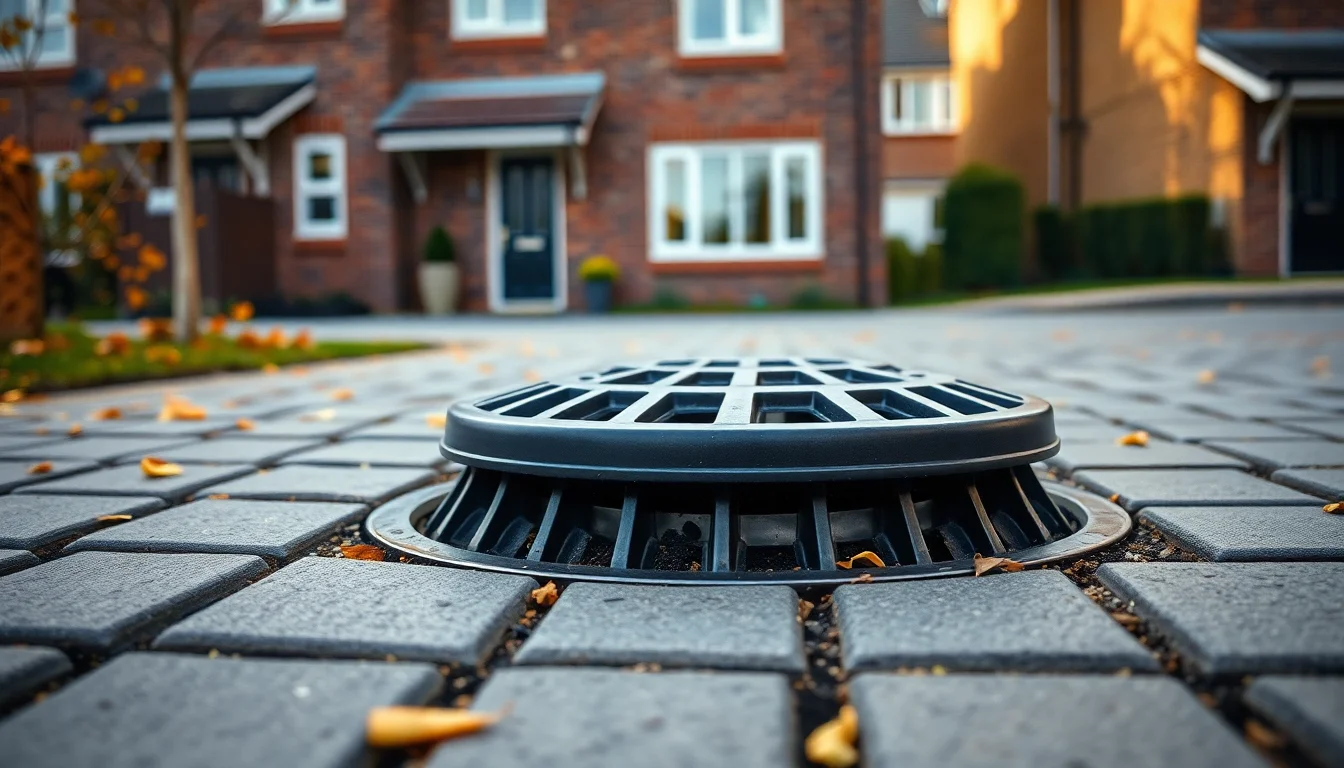
Many new estates also share surface water systems. Examples include swales, permeable paving and communal storage areas. If leaves, silt or litter clog them, water cannot escape quickly, so flooding becomes more likely in heavy rain.
A CCTV drain survey is still worth having on a new-build. It can show whether the pipe has the right fall. It can also show stray building debris, and whether the connection looks sound.
Galleywood: older pipes, different risks
Galleywood has a mix of older and newer homes. Many older homes may still have their original clay drains. Clay copes well under load, yet it is brittle. Over decades it can crack, shift at joints or settle with the ground.
Tree roots are a common problem in mature gardens. Roots seek moisture and can enter even a hairline crack. They then widen the gap and catch debris. You may notice a slow sink or an occasional gurgle long before a full blockage.
Some older homes in semi-rural spots may have private drainage, such as a septic tank or soakaway. These systems need different care, since no water company looks after them. A survey can help work out which type serves a property.
Rainwater downpipes joined to the foul drain are another fault to look for. They can overload the system in heavy rain. A camera and a check of the plans can show where each pipe goes.
Who owns which pipe
Ownership matters, because it decides who pays. On 1 October 2011 many private sewers and lateral drains passed to the water companies. Drains inside a single property boundary stayed with the owner (Defra, private sewers transfer guidance).
Chelmsford City Council says Anglian Water handles sewers in the Chelmsford area. It also says you are responsible for the drain serving your own property. Confirm the water company for your postcode, since wording on the company's site may differ.
On some new estates the sewers may not yet belong to the water company. The developer may still look after them. Ask your solicitor who maintains the drains and whether adoption is complete. A survey, your title deeds and the water company's records usually settle where your boundary sits.
Simple habits for any home
A few habits cut the risk of a blockage in a new-build or a period home. Scrape pans into the bin, since fat sets inside pipes. In the bathroom, only toilet paper should go down the toilet. Wipes, cotton buds and sanitary items cause many blockages.
Keep outside gullies and grates clear too. Leaves and litter gather quickly after autumn or a storm. A quick clear-out stops standing water from finding the wrong route.
What a drain survey will show
For a new-build, a survey can confirm that the pipe is free of building debris and holds a steady fall. It can show whether joints look watertight. It can also flag a shared surface water feature that does not drain as it should.
For an older home, the survey can show cracks, displaced sections and root masses. It can reveal wrongly connected downpipes. If a septic tank or soakaway is present, the engineer may be able to check the inlet and outlet. Either way, you gain documented evidence to use with a neighbour or the water company.
MyJobQuote gives an average survey of about £250, and Survey Match gives £200 to £350 plus VAT for a 2 to 3 bed home. Ask for a written quote before work starts.
Pages for the area
Homes in other parts of the Chelmsford area raise the same questions. The Springfield area page lists every drainage service for that area.
- CCTV drain surveys in Chelmsford
- Chelmsford area page
- Great Baddow area page
- Drain repairs in Chelmsford
- Pre-purchase drain survey
Frequently asked questions
Do new-build homes need a drain survey?
Yes. The pipes still join a wider network. A survey can confirm the connection was built well. It can also record the condition at the start of your ownership.
Are Galleywood drains old?
Many older homes there may have clay pipes from when the homes were built. Age alone is not a fault, yet it is the case a pre-purchase drain survey is meant to check.
Who looks after the drains in a new-build estate?
It depends on whether the water company has adopted the sewers. Pipes inside your boundary are usually yours. Ask your solicitor and the water company, since estates differ.
What drainage problems suit older village homes?
Cracked clay joints, root growth and ground movement are common. Some homes also use a septic tank or soakaway. A survey shows which of these apply, so you do not need to guess from the age of the house.